DR TARR. Interventional Radiology · Queensland
Scroll
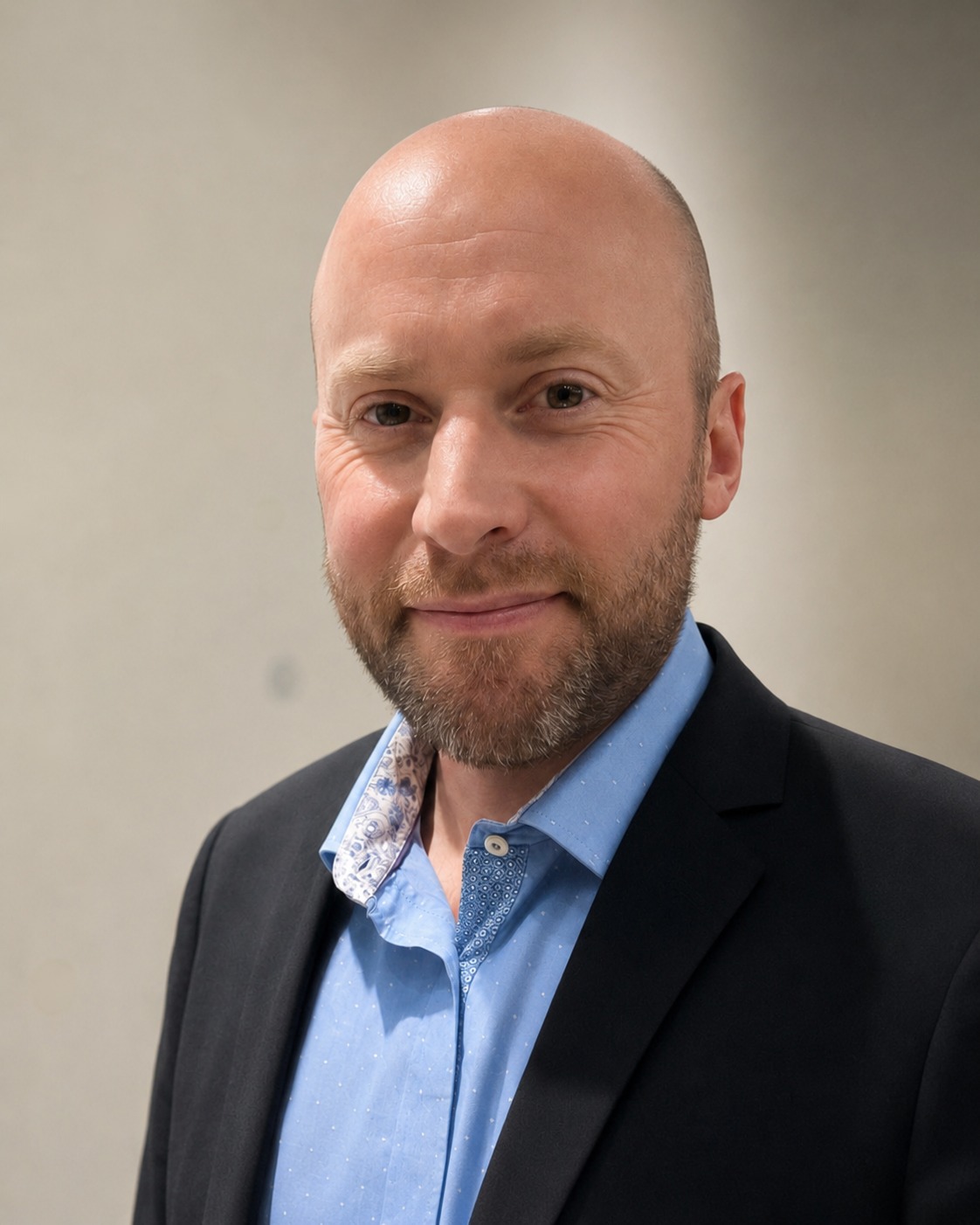
Dr Gregory Tarr, interventional radiologist
Welcome

Interventional Radiologist in Brisbane & Ipswich

Surgery may not be the only option.

I'm Dr Gregory Tarr, an interventional radiologist offering minimally invasive, image-guided alternatives to surgery in Brisbane and Ipswich.

I trained at major teaching centres in Auckland and Vancouver and hold the European Board of Interventional Radiology (EBIR) qualification, alongside fellowship of the Royal Australian and New Zealand College of Radiologists. Most procedures are carried out through a pinhole, under sedation, often with no general anaesthetic at all, and most embolisations carry no gap on the specialist fee for privately insured patients.
Treatments

Conditions Dr Tarr treats

Each treatment below is an established or emerging alternative to surgery. Select a condition to learn how it works, who it suits, and what to expect.

Women's health

Fibroids & Adenomyosis

Heavy periods, pain or pressure from fibroids, treated without a hysterectomy. Uterine artery embolisation shrinks fibroids by cutting off their blood supply.

Uterine artery embolisation
Men's health

Enlarged Prostate (BPH)

Poor flow, urgency and broken sleep from an enlarged prostate, treated without surgery on the urethra, with better preservation of sexual function in many men.

Prostate artery embolisation
Joint & muscle pain

Knee Osteoarthritis

Osteoarthritis knee pain that hasn't settled with physiotherapy, medication or injections, treated by targeting the abnormal vessels that drive the inflammation.

Genicular artery embolisation (GAE)
Joint & tendon pain

Tendon & Joint Pain

Tennis elbow, plantar fasciitis, frozen shoulder and other stubborn tendon or joint pain, treated by switching off the abnormal vessels that keep it inflamed.

Transarterial micro-embolisation (TAME)
Men's health

Varicocele

Aching, swelling or fertility concerns from enlarged veins around the testicle, closed from inside the vein, with no incision and same-day discharge.

Varicocele embolisation
Women's health

Pelvic Congestion

Chronic pelvic ache, heaviness or visible varicose veins caused by faulty pelvic veins, treated by closing the refluxing veins from within.

Ovarian vein embolisation
Interventional oncology

Liver Cancer

Targeted treatment for primary liver cancer and liver metastases, Y-90 selective internal radiation therapy (SIRT) and thermal tumour ablation.

Y-90 SIRT & ablation
Bowel & veins

Haemorrhoids

Recurrent bleeding despite banding, treated through a pinhole with no rectal surgery, no wound and minimal downtime.

Haemorrhoid artery embolisation
Vascular anomalies

Vascular Malformations

Venous, lymphatic and arteriovenous malformations, diagnosed properly and treated with staged sclerotherapy and embolisation.

Sclerotherapy & embolisation
Women's health & fertility

Blocked Fallopian Tubes

Proximal tubal blockages reopened without surgery, and lipiodol flushing with a recognised fertility benefit of its own.

Recanalisation & lipiodol flush
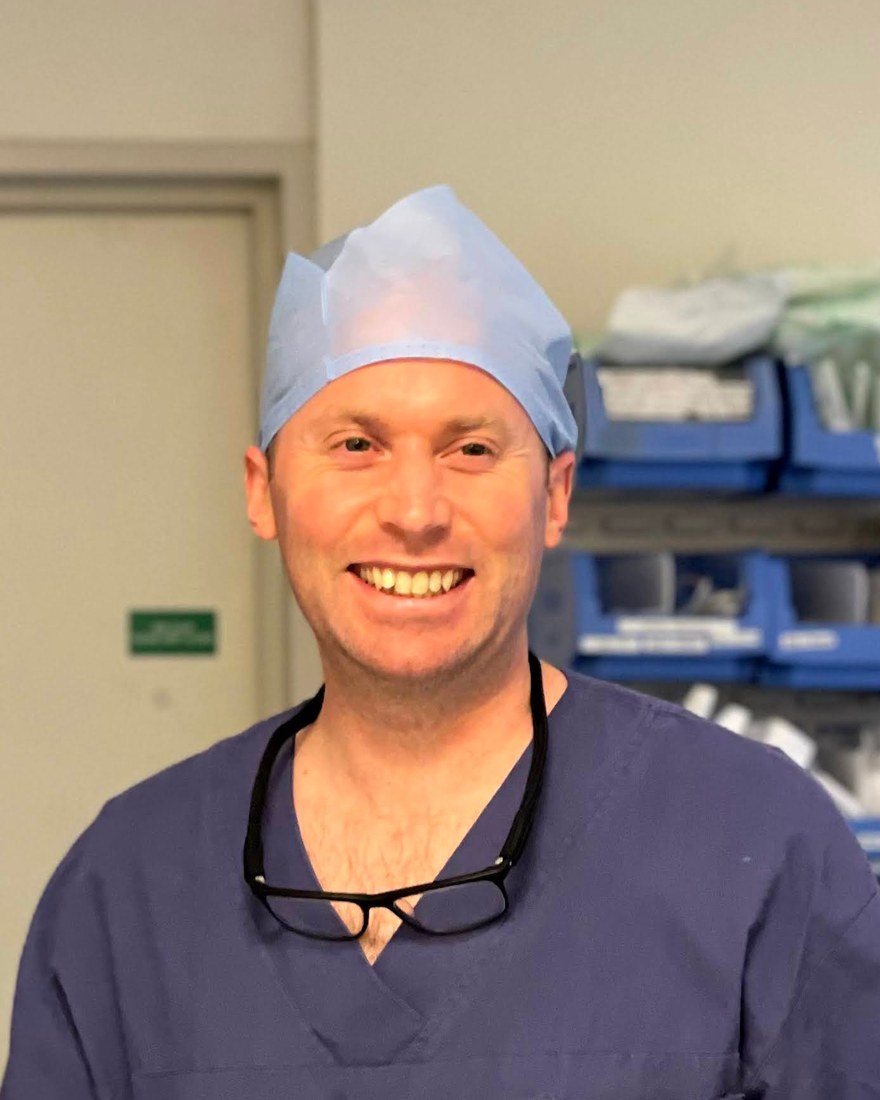
Dr Gregory Tarr, interventional radiologist
About

Dr Gregory Tarr

Dr Tarr is an interventional radiologist practising in Brisbane and Ipswich. He completed subspecialty fellowship training at major teaching centres across Australasia and Canada.

He specialises in embolisation: precise, image-guided procedures that treat fibroids, enlarged prostate, knee pain, varicocele and pelvic congestion without surgery. He also offers interventional oncology treatments, including tumour ablation and Y-90 SIRT for liver cancer.

His focus is clear communication, honest advice about all your options (including the surgical ones), and helping you recover with as little downtime as possible.

Meet Dr Tarr
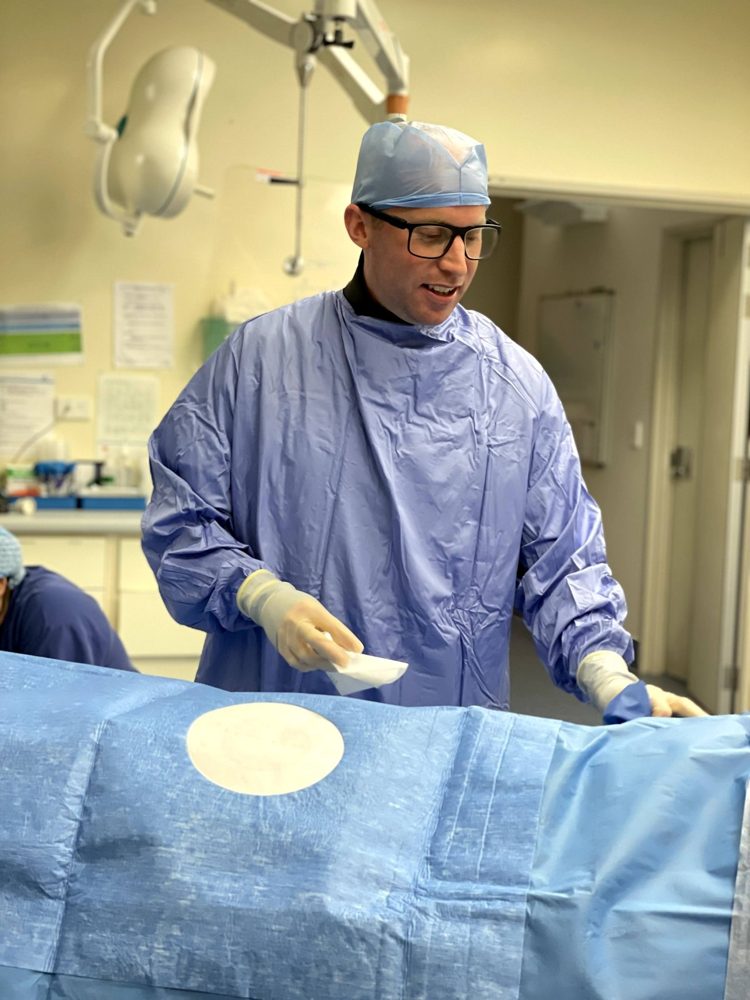
In the angio suite

Hands-on, image-guided care

Most of Dr Tarr's treatments are carried out through a pinhole in the skin, guided by live imaging. No large incisions, and usually under sedation rather than a general anaesthetic.

He performs his own procedures from start to finish and stays involved in your follow-up, so the doctor who plans your treatment is the one who carries it out.

What is interventional radiology?
Dr Gregory Tarr performing an image-guided procedure
Locations

Consulting in Brisbane & Ipswich

Dr Tarr’s main procedural base is in Ipswich, where he has extensive cath-lab capacity and availability. Consultations are held at Lower Cameron House or by telehealth, and he also consults and treats across Brisbane. Your exact location is confirmed when your appointment is booked.

Ipswich

Main procedural base, consultations & image-guided procedures, with extensive availability

Brisbane

Consultations & image-guided procedures

Telehealth

Consultations by telehealth where suitable

Common questions

Frequently asked questions

Do I need a referral to see Dr Tarr?

Yes. Like all specialist consultations in Australia, you'll need a referral from your GP or another specialist to claim a Medicare rebate. Your GP can refer you by naming Dr Gregory Tarr, see the referrer page for details they'll need.

What will it cost?

For privately insured patients, most procedures are performed with no gap on Dr Tarr's fee, though hospital or anaesthetic costs may still apply. Exact costs depend on your individual circumstances and health fund. You'll receive clear written information about any fees before anything is booked.

Will I be awake during the procedure?

Most embolisation procedures are performed under sedation. You're comfortable and relaxed, but avoid the risks of a general anaesthetic. Some treatments, such as tumour ablation, may use a general anaesthetic. Dr Tarr will discuss what's right for you at your consultation.

How long will I be in hospital?

Many procedures are day cases. You arrive in the morning and go home that afternoon. Some, such as uterine fibroid embolisation, usually involve one night in hospital for comfort. You'll know exactly what to expect before your procedure.

Ready to discuss your options?

Ask your GP for a referral to Dr Gregory Tarr, or get in touch. We're happy to explain how the process works.