Home / What is interventional radiology?

What is interventional radiology?

Precise, image-guided treatment, without open surgery.

Interventional radiology (IR) uses real-time medical imaging, X-ray, ultrasound and CT, to guide tiny instruments through the blood vessels or directly to the problem area. Most procedures are carried out through an opening in the skin just a few millimetres wide.

Many conditions traditionally treated with open surgery can now be treated this way: blocking the blood supply that feeds fibroids or an enlarged prostate, closing faulty veins, or destroying tumours with targeted energy or radiation.
  • No large incisions, usually no stitches at all
  • Most procedures use sedation with image-guided regional analgesia, often no general anaesthetic at all
  • Advanced procedures across the whole body, essentially everything from the neck down
  • Shorter hospital stays, often home the same day
  • Organs are preserved, and surgery remains an option later if needed
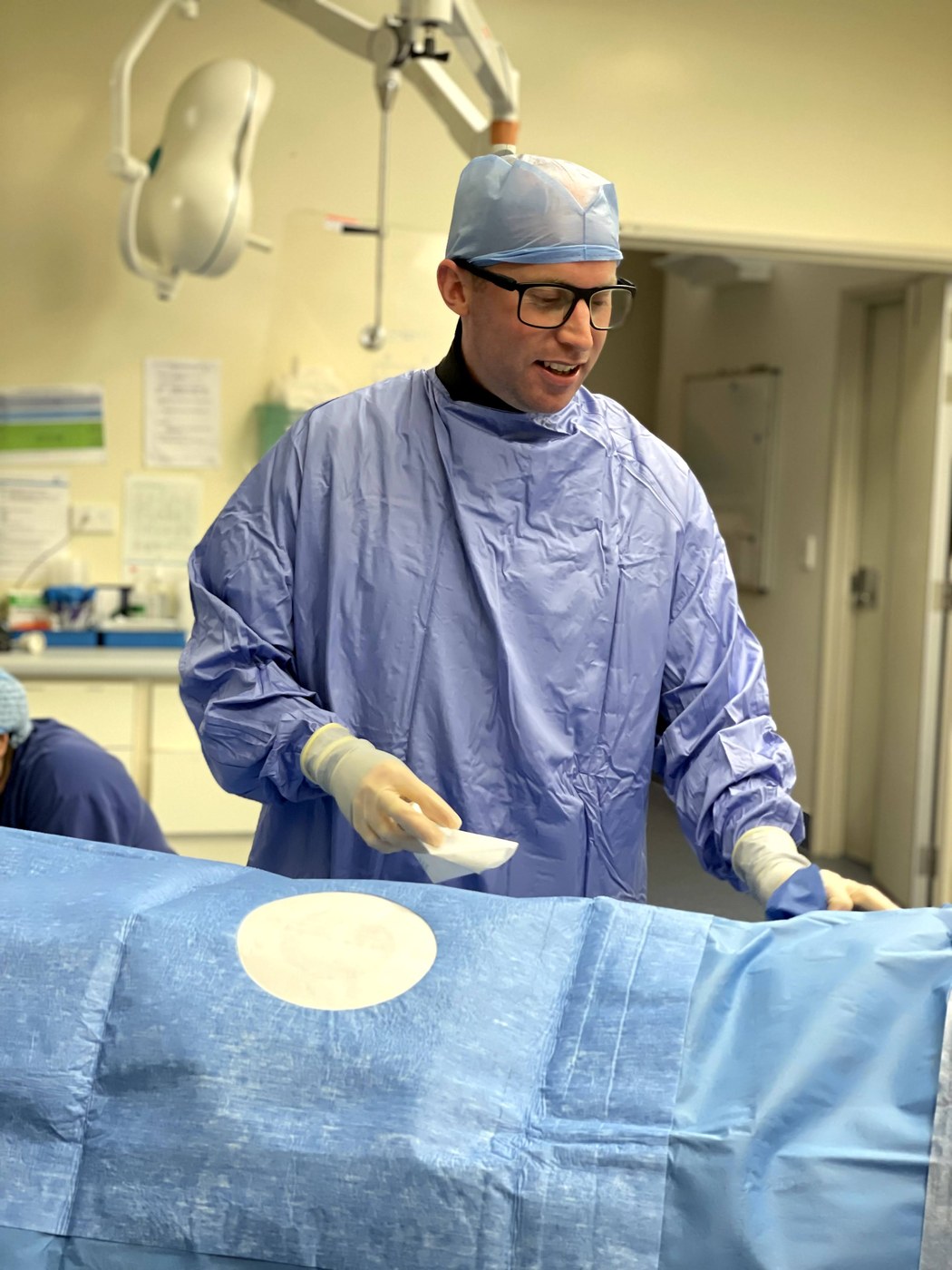
Dr Tarr performing an image-guided procedure
How it helps

Why patients and doctors choose IR

Less invasive

A pinhole rather than an incision, less pain, less scarring, and a faster return to normal life.

Often no general anaesthetic

Most procedures are done under sedation with image-guided regional analgesia, which can mean a gentler recovery.

Organ-preserving

Conditions are treated while preserving the organ. And surgery remains available later if it's ever needed.

Australian video content

A short explainer on interventional radiology from Dr Chris Rogan, an Australian interventional radiologist.

Watch on YouTube ↗

See whether IR is right for you

Ask your GP or specialist for a referral to Dr Gregory Tarr, then arrange a consultation in Brisbane or Ipswich.